
CNC Series Machining
Request a free quotation for your batch
A repeatable batch, an optimal cost per part
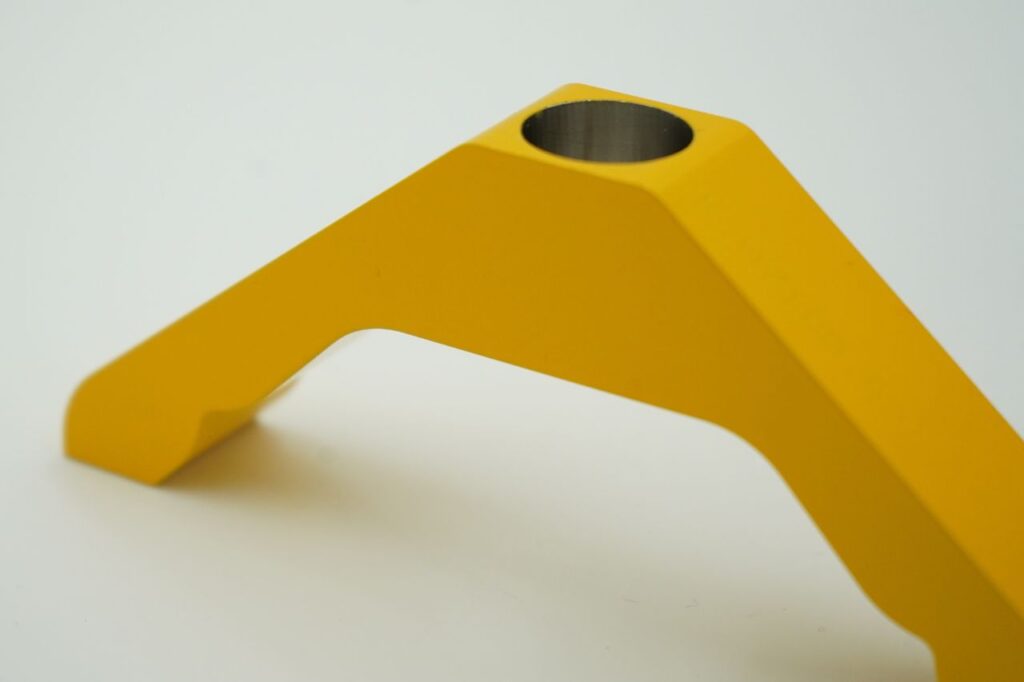
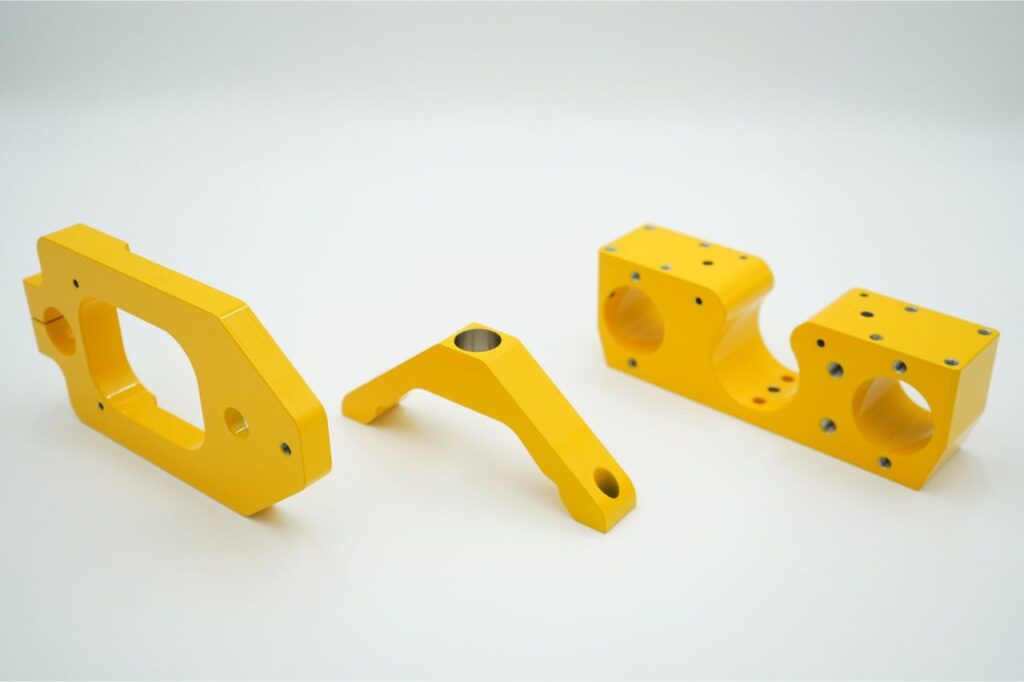
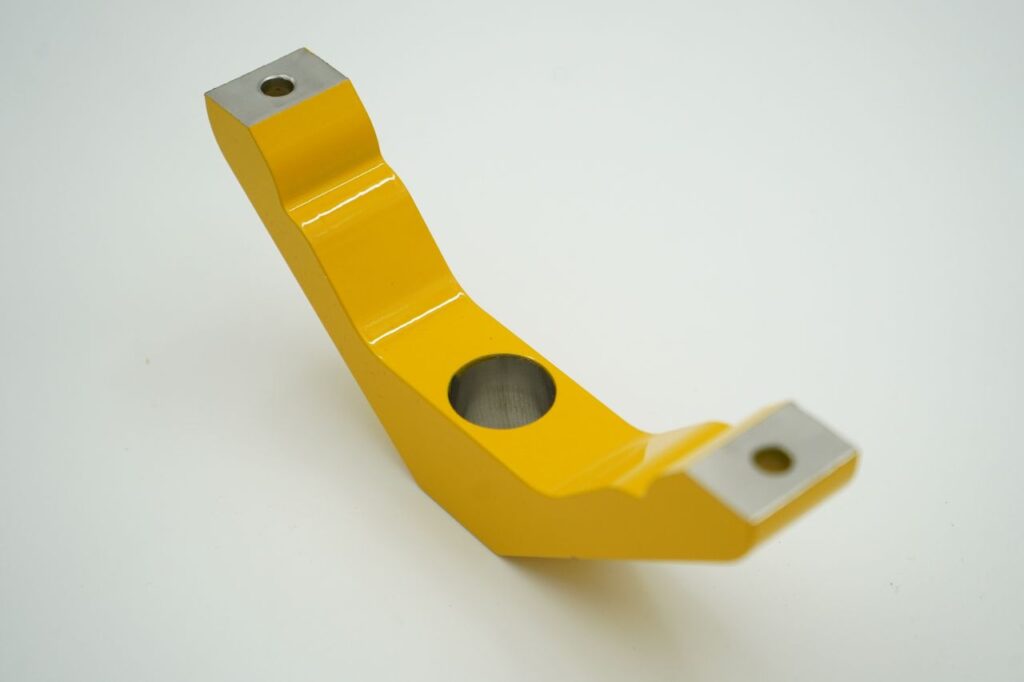
CNC series machining at MDP Precision guarantees identical dimensions from the first part to the thousandth.
By spreading the cost of technology preparation (CAM) and machine setup across the whole batch, CNC series production significantly lowers the unit cost of a part, and the finished components go straight to your assembly without the need for sorting.
When is a CNC series the right choice, and when is conventional machining?
The cost-effectiveness of a technology depends on the complexity of the geometry, the required tolerances and the size of the batch:
Above 100 pieces (or demanding requirements)
CNC turning wins clearly. The cost of preparing the CAM program and the setup is spread across the batch, while guaranteeing tight tolerances (±0.01 mm vs 0.025–0.04 mm on conventional machines).
Below 50 pieces of simple parts
Conventional turning and milling is often more economical – with no CAM programming costs, the unit price of a small batch is lower.
Repeat production runs
Once developed, the CAM program is archived. Repeat orders for the same part are started immediately, with no cost of re-implementing the technology.
An example from MDP Precision costings: for a simple batch of 50 brass bushings, conventional machining came to approx. PLN 2,850, while CNC came to approx. PLN 3,900 (a 27% saving in favour of the conventional method). We always select the technology at the drawing review stage and propose the most cost-effective option to the customer.
Complete batch delivery: turning, milling, finishing
At MDP Precision we combine material removal with finishing processes under one roof, which shortens the lead time by 3–5 days (no transport between subcontractors).
CNC turning and mill-turn operations
Production of rotational parts: shafts, bushings, axles, threaded pins, nuts and hydraulic connectors. Thanks to the DN Solutions LYNX 2100LYA lathe with a Y axis, we produce milled features, grooves and cross holes in a single setup, without moving the part to a milling machine.
3- and 5-axis milling
Finishing and coatings
We offer surface grinding as well as protective and decorative coatings: zinc plating, anodising, powder coating, polishing and passivation.
Machine park and technical parameters
The figures below come from our plant in Pruszcz Gdański. The full list of machines is available on the machine park page.
| Parametr / Operacja | Możliwości technologiczne w MDP Precision |
|---|---|
| Dokładność toczenia CNC | ±0,01 mm; średnica nad łożem do 530 mm; przejazd Z do 1470 mm |
| Tokarka PUMA GT3100LM | Średnica toczenia do 376 mm; wrzeciono 2800 obr./min; moc 26 kW |
| Tokarka LYNX 2100LYA | Średnica do 300 mm; długość do 510 mm; wrzeciono 6000 obr./min; oś Y |
| Dokładność frezowania CNC | Do 0,006 mm |
| Frezarka 3-osiowa DOOSAN DNM 6700 | Przejazdy 1300 × 670 × 625 mm; nośność stołu 1300 kg |
| Frezarka 5-osiowa DMG MORI CMX 70 U | Stół 800 × 620 mm; wrzeciono 15 000 obr./min |
| Frezarka 5-osiowa DVF 5000 | Stół Ø 500 mm; wrzeciono 18 000 obr./min |
| Szlifowanie płaszczyzn | Chropowatość Ra < 0,8 μm; stół magnetyczny 500 × 200 mm |
| Zarządzanie jakością | Certyfikat ISO 9001:2015 (LL-C) oraz ISO 3834-2 (spawanie) |
Experience in demanding industries

Automotive: we supply repeatable assembly components to market leaders (including KUKA, ThyssenKrupp and Aptiv), where tolerances and on-time JIT deliveries are a prerequisite.
Medical and pharmaceutical equipment: production of critical stainless steel parts with full documentation and material certificates (including for Polpharma).
Defence and machinery industry: projects for PGZ and WB Group, carried out with rigorous inspection procedures and full batch traceability.
Engineering support: together with the mdpengineering.pl design office we help optimise parts for Design for Manufacturing (DFM), reducing machining time and cost.
How an order is handled – from enquiry to delivery
01
ENQUIRY AND DOCUMENTATION
Send us a 2D drawing (DWG, DXF, PDF) or a 3D model (STEP, IGES) together with the material, tolerances and quantity.
02
Technological analysis (DFM)
We select the optimal machine and machining strategy and check the cost-effectiveness (CNC vs conventional). We prepare the CNC / CAM programming.
03
Free quotation
You receive a binding cost calculation and a confirmed delivery date.
04
Setup and first-off inspection:
We set up the machine, produce a sample part and verify it against the drawing before the full batch is started.
05
Series production and inspection
We run a repeatable CNC machining process. On request we include a measurement report from quality control.
06
Shipping or collection
Finished components are shipped securely packed or made available for collection at our plant in Pruszcz Gdański.
Frequently asked questions about CNC series machining
Send us a 2D drawing (DWG, DXF, PDF) or a 3D model (STEP, IGES) with the material, tolerances and quantity. We carry out a technological analysis (DFM), prepare a free quotation with a confirmed delivery date, and before the full run we produce and verify a first-off sample part.
On machining centres we work with parts up to 1630 × 762 × 650 mm and 1500 kg, and on lathes up to Ø530 mm and 1500 mm long. We machine structural and tool steels, stainless and acid-resistant steels, aluminium, copper, brass, titanium and engineering plastics.
Yes – the batch can be delivered ready for assembly. After machining we carry out surface grinding and protective and decorative coatings, and structural components are joined in our welding shop.
The lead time depends on the complexity of the part, the quantity and the required finishing operations. Because machining, grinding, coatings and welding are carried out in-house, we shorten the lead time by 3–5 days compared with a chain of subcontractors. The confirmed date is always part of the quotation.
Yes. The CAM program, the machining parameters and the part documentation are archived, and the workholding we prepared stays with us. Restarting production of the same part is therefore faster and cheaper than the first run.
On request we supply a measurement report from quality control. We work within a quality management system confirmed by an ISO certificate, and for defence and pharmaceutical projects we maintain full batch traceability and material certificates.
As a rule, CNC becomes the more economical option above roughly 100 pieces, or earlier when the part has a complex geometry or tight tolerances. For small batches of simple parts, conventional turning and milling is often cheaper, because there are no CAM programming costs. We always compare both options at the drawing review stage and propose the more cost-effective one.